Advanced
Search

What Does a Cavity Look Like?

Wondering if you have a cavity can make you feel paranoid. Out of nowhere your tooth starts to have a dull pain eating cold or hot foods. So you check in the mirror wondering if you have a cavity. You can’t see anything so you move on and hope for the best, at the very least during your next dentist appointment they would be able to let you know for sure. However knowing what a cavity looks like may help you get to a dentist faster before it gets worse. 

Enamel Decay

In the very beginning, tooth decay only affects the outer enamel layer. At this point, you may have no symptoms at all. Dentists can pick up these early spots on an exam or with an X-ray before you ever feel anything.

As the decay starts to progress, the most common early symptom is mild sensitivity. You might notice a quick twinge when you drink something very cold, eat something sweet or bite down on a certain part of the tooth.

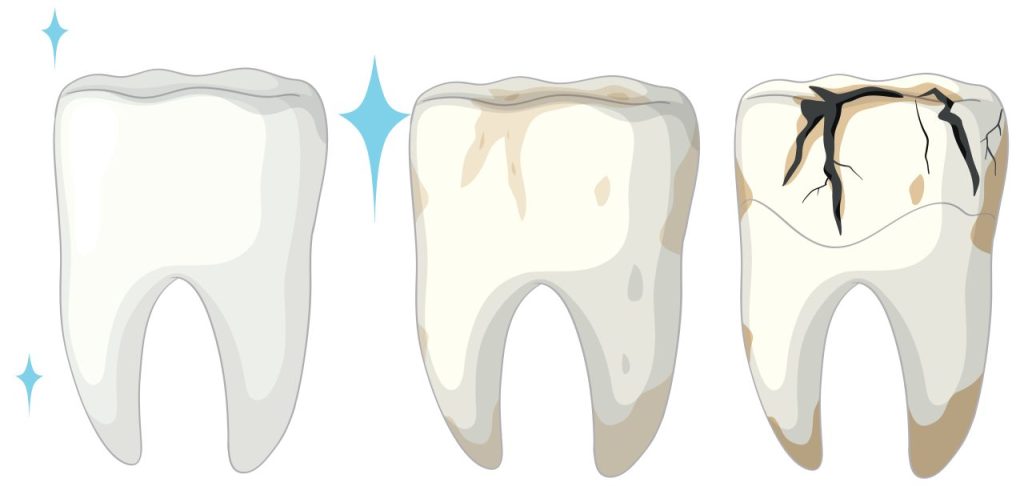
Sometimes you may feel a rough spot with your tongue or notice a small change in color such as a brown or dark speck on the tooth surface. While it could be nothing it’s important to examine it closely and if you have tooth pain with a discoloration you should book an appointment with your dentist as soon as possible. 

Stages of a cavity

What a cavity looks like as it gets deeper

Decay Reaches Dentin Layer

As decay moves through the enamel and into the softer dentin layer underneath, the nerves inside the tooth become more irritated. At this stage most people describe a regular sensitivity that returns with hot, cold or sweet foods. The discomfort lingers for a while after you eat. The surface apperance may not change much. Often it reamins a small spot as the decay reaches deeper in your tooth.).

Temperature sensitivity Sweet food triggers Lingering discomfort

Progressive Decay

Over time, that sensitivity can turn into a dull ache or sharp pain when you bite down. You will probably avoid chewing on that side of your mouth without even thinking about it. Food can start to catch in a visible hole or crack, and you may notice staining that does not brush away.

Pain when chewing Visible damage Permanent staining

Pulp

When the cavity gets very deep and reaches the nerve in the center of the tooth, the pain becomes much stronger. It will throb or pulse, wake you at night, or flare when you lie down. Some people feel pain that spreads to the jaw or ear on that side. This can happen while the cavity on the surface remains incredibly small. If the cavity is located on the side of the tooth near or under the gums you won't be able to see it.

Throbbing pain Night pain Radiating pain

Toothache Vs Normal Sensitivity

Not all tooth sensitivity means you have a cavity. Sometimes teeth react to whitening products, brushing too hard, receding gums or recent dental work. Those types of sensitivity usually improve fairly quickly once the cause is addressed.

Cavity Pain

Cavity pain, on the other hand, tends to get worse over time. It may go from an occasional twinge to a frequent ache.

Waiting Until It’s Too Late

Our research shows that twice yearly checkups are frequent enough to catch 98% of all cavities before they become severe. However some cavities will develop quickly and reach deeper into the tooth before a regular check up occurs. If you see a cavity developing on your tooth you should reach out to your dentist to see if you can schedule a check up sooner. This way the cavity doesn’t become severe require a more extensive filling or root canal. If you have any questions reach out to any of the dental offices listed here. They are all experts in cavities with exceptional standards of care.

Frequently Asked Questions

Can cavities be painless? +

Yes, your cavities can be painless. The typical early detection methods would be observing tiny blemishes or discoloration on your tooth. If you suspect you have a cavity, don't wait until it's too late. Click here to book a visit with a dentist...

How can I tell the difference between a cavity and tooth sensitivity? +

When it comes to tooth sensitivity, you will often experience an intense but brief feeling of discomfort. If you are experiencing any signs mentioned in this article, don't wait until it's too late. Click here to book a visit with a dentist...

  • Share: